Eye as a Camera in XR: Reading Images, Colours and Eye Strain from a Consumer EEG Headband and a Consumer VR Headset
IEEE International Conference on Consumer Electronics (ICCE) 2027
Las Vegas, USA, January 2027 · Submitted to IEEE ICCE 2027; not yet published
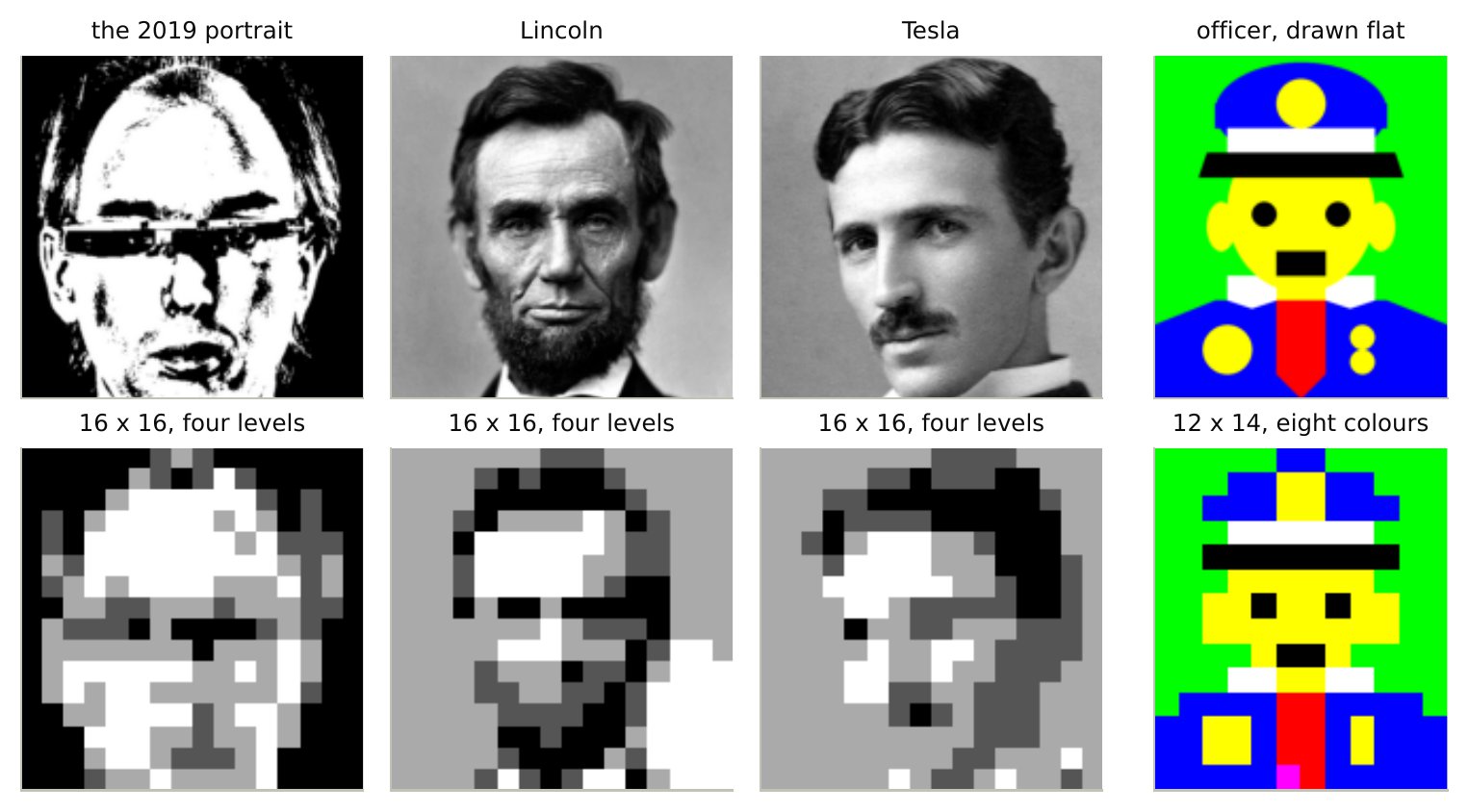
What the eye saw (top) and what the brain gave back (bottom): pictures rebuilt from the brain's response to flicker, 16 by 16 cells in four grey levels, and a 12 by 14 picture in eight colours.
Here is the trick, and it still feels like magic every time we run it. A square flickers on a screen, you look at it, and the back of your head answers: your visual cortex hums at the same rate, and we can read that hum with a cheap EEG headband. Flicker the square at one spot after another, keep score of how strongly each spot was seen, and you have taken a photograph with your eye. Steve Mann showed this in 2019 with lab equipment. We wanted to know how far it goes on gear that costs less than a phone.
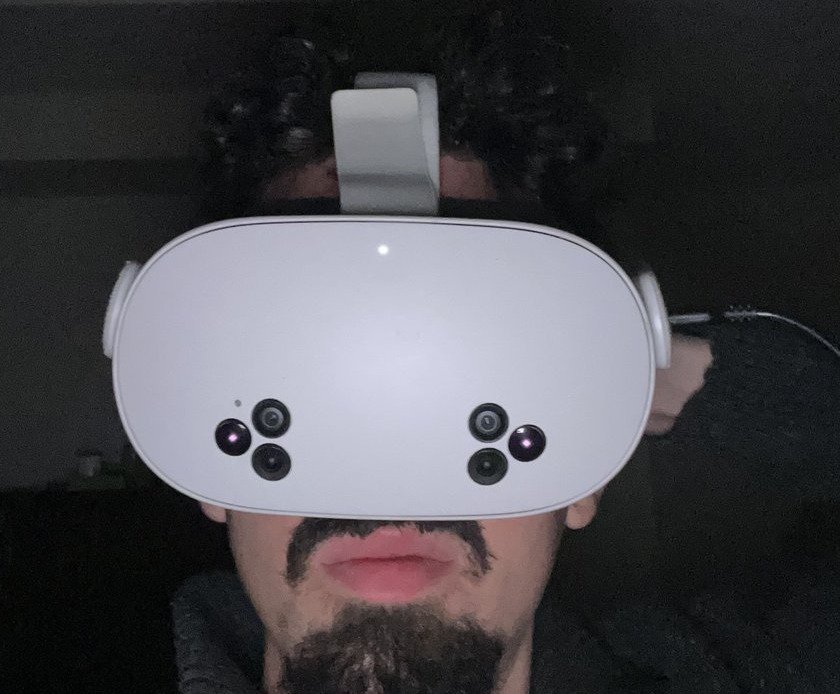
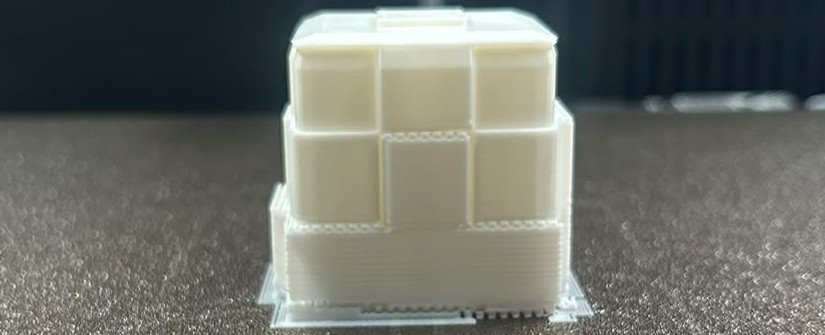
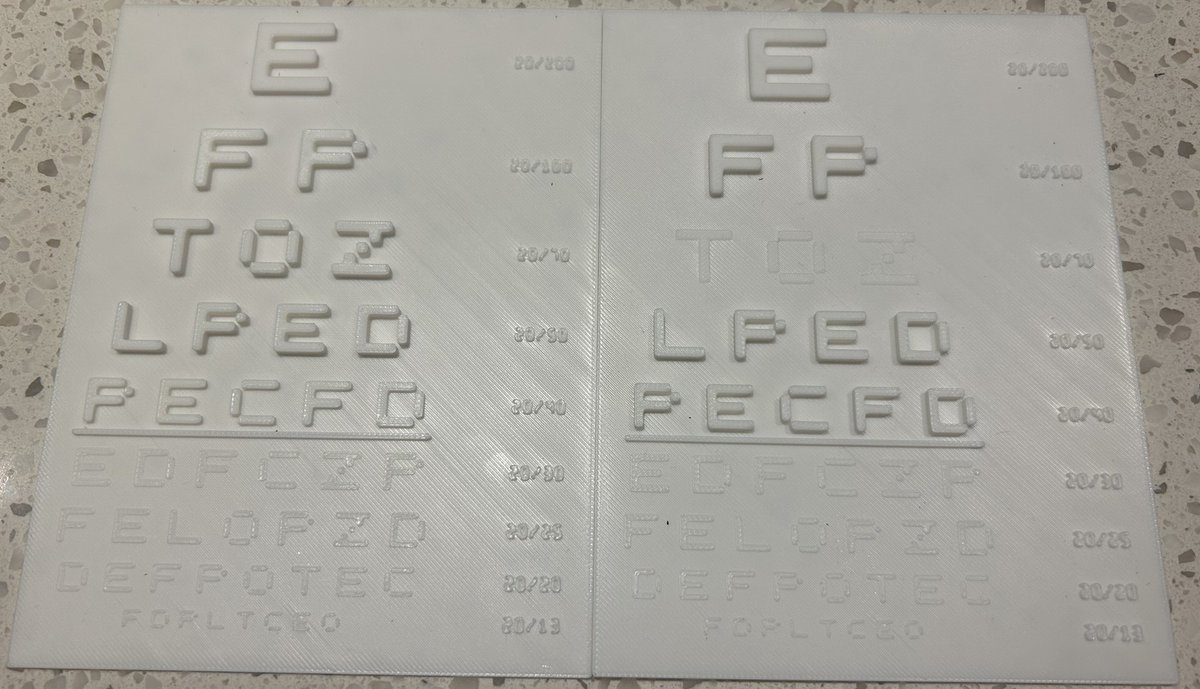
So we rebuilt the camera from consumer parts: a Muse 2 headband with one extra cup electrode on the back of the head, and a Meta Quest headset as the screen, so the flicker is the same for everyone and the room does not matter. From the same recording we read greyscale pictures, colour (by showing red, green and blue planes one at a time), how fine a line you can resolve, and how tired your eyes are getting. Then we printed one of the pictures as a die, because why not.
The companion project turns the rig around into an eye exam that needs no letters, no language and no answers: you just look. We think a community health worker could run it out of a backpack. Richard Fletcher of the MIT Media Lab's Mobile Technology Group is working on that with us.
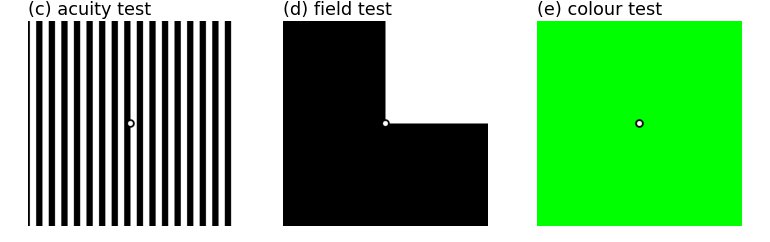

Colour, three planes at a time: the eight colours we showed, what the EEG decoded, and the decoded colours snapped to the nearest of the eight.
This paper is not yet published, so this page gives only a short summary. The full write-up and a link to the paper will follow publication.
Authors
Alexander Vicol, Minu Adefriskey, Michel Herrera Viyella, Khalil Chaghouri, Ali Sher, Richard R. Fletcher (MIT), Steve Mann
Links
- Paper submitted to IEEE ICCE 2027 (Las Vegas, January 2027). A link will appear here once it is published.
- Related project: Mind to Matter
- Related project: 6ense
- Related project: Brain Data Visualization in VR/XR