Spinal Drift: Research on Dynamic Core Engagement Through Interactive Gameplay
27th Annual Mersivity / WaterHCI Symposium, Summer 2025
Toronto and online, June 20 to August 25, 2025 · Published in the symposium proceedings (open access on Zenodo)
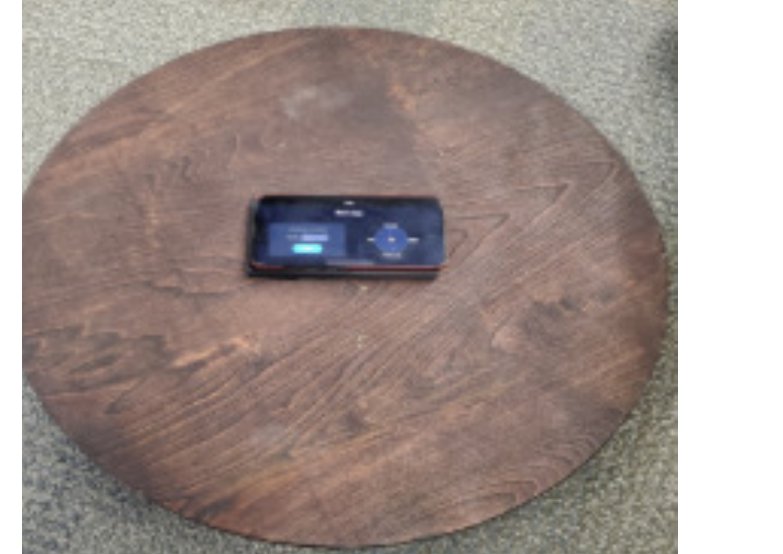
The controller: a round balance board with a phone on it. The phone's inertial sensors read how you shift your body in the plank.
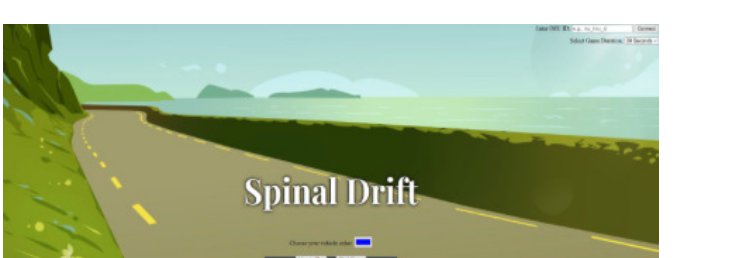
Physiotherapy is boring and people stop doing it. Spinal Drift turns the plank into a race: you hold a plank on a balance board, your phone on the board reads how you tilt, and an on-screen car steers with you. Testers adapted to the controls fast and several did not notice they were exercising.
Abstract
Spinal Drift is an interactive physiotherapy game designed to promote core strength and spinal health through engaging, sensor-driven gameplay. By transforming a traditional plank exercise into a competitive racing experience, the game leverages the inertial measurement unit (IMU) sensors in smartphones to track users' core movements in real time. Players control an on-screen vehicle by shifting their body while in a planking position on a balance board, seamlessly integrating exercise with immersive gameplay. The system features a React Native mobile app for motion tracking, WebSocket communication for low-latency data transfer, and a browser-based 3D game environment powered by Three.js. Preliminary user testing showed high engagement, rapid adaptation to controls, and positive feedback, with many participants unaware they were exercising due to the fun, competitive design. Future developments include multiplayer modes, adaptive difficulty, and clinical validation in partnership with healthcare professionals. Spinal Drift demonstrates the potential of gamified rehabilitation tools to transform physiotherapy into an accessible and enjoyable experience. based on how they want to steer the vehicle. The core concept is combining physiotherapy exercises such as planking to encourage spinal health through strengthening the core via an engaging interactive racing game.
Authors
Jonathon Wang, Chahit Uppal, Nicholas Wood
Links
- Paper in the Mersivity / WaterHCI Summer-2025 Symposium Proceedings (Zenodo, open access)
- Related project: Quaternion Balance Board
- Related project: State-of-Float
- Related project: Cold Plunge Mini-Golf