Ear as an XPhone: What a Consumer EEG Headband Records of Sound Through Air, Water and Solid
IEEE International Conference on Consumer Electronics (ICCE) 2027
Las Vegas, USA, January 2027 · Submitted to IEEE ICCE 2027; not yet published
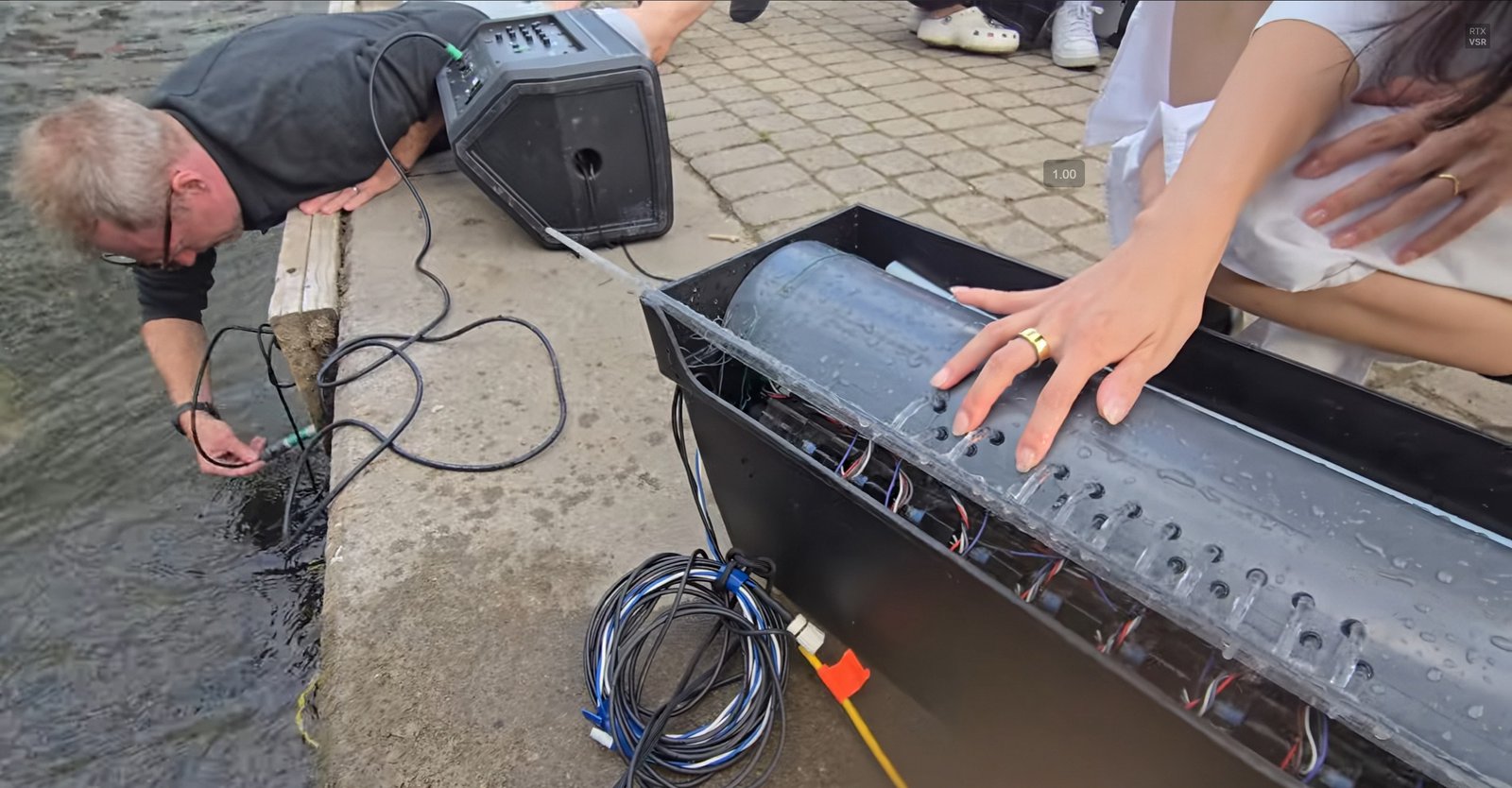
The hydraulophone at the dock: for the water condition the listener lay at the edge of the dock beside it, head out of the water.
Our Eye as a Camera work reads a picture from the visual cortex. This paper asks the same of hearing, with X standing for the state of matter the sound travels through: through air the ear is a microphone, through water a hydrophone, and through a solid a geophone. Mann's physiphones, the hydraulophone first among them, are the instruments behind the idea.
The honest result is that the ear is a microphone on a consumer headband: a spoken passage's loudness envelope can be read back from four dry electrodes. As a hydrophone and a geophone it needs a tagged stimulus, and we give the protocol for the next try.
Abstract
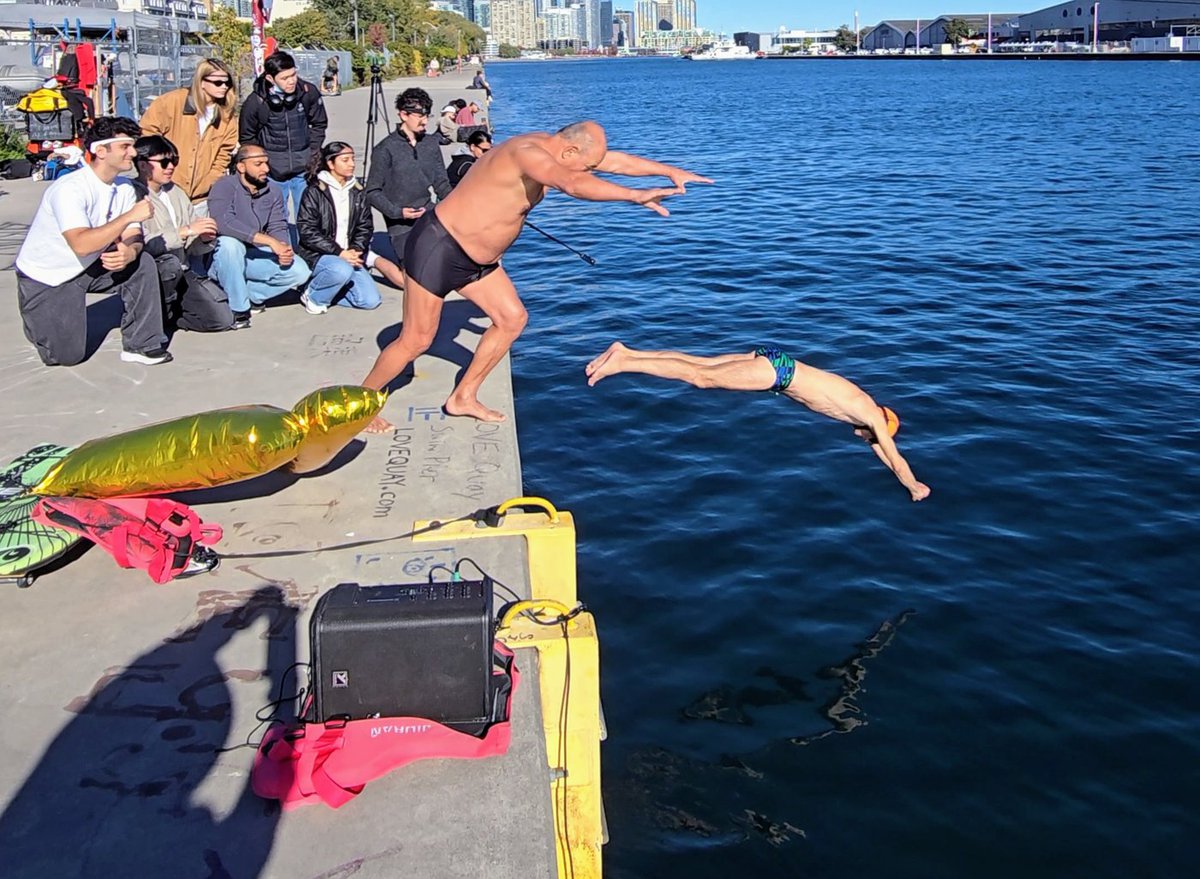
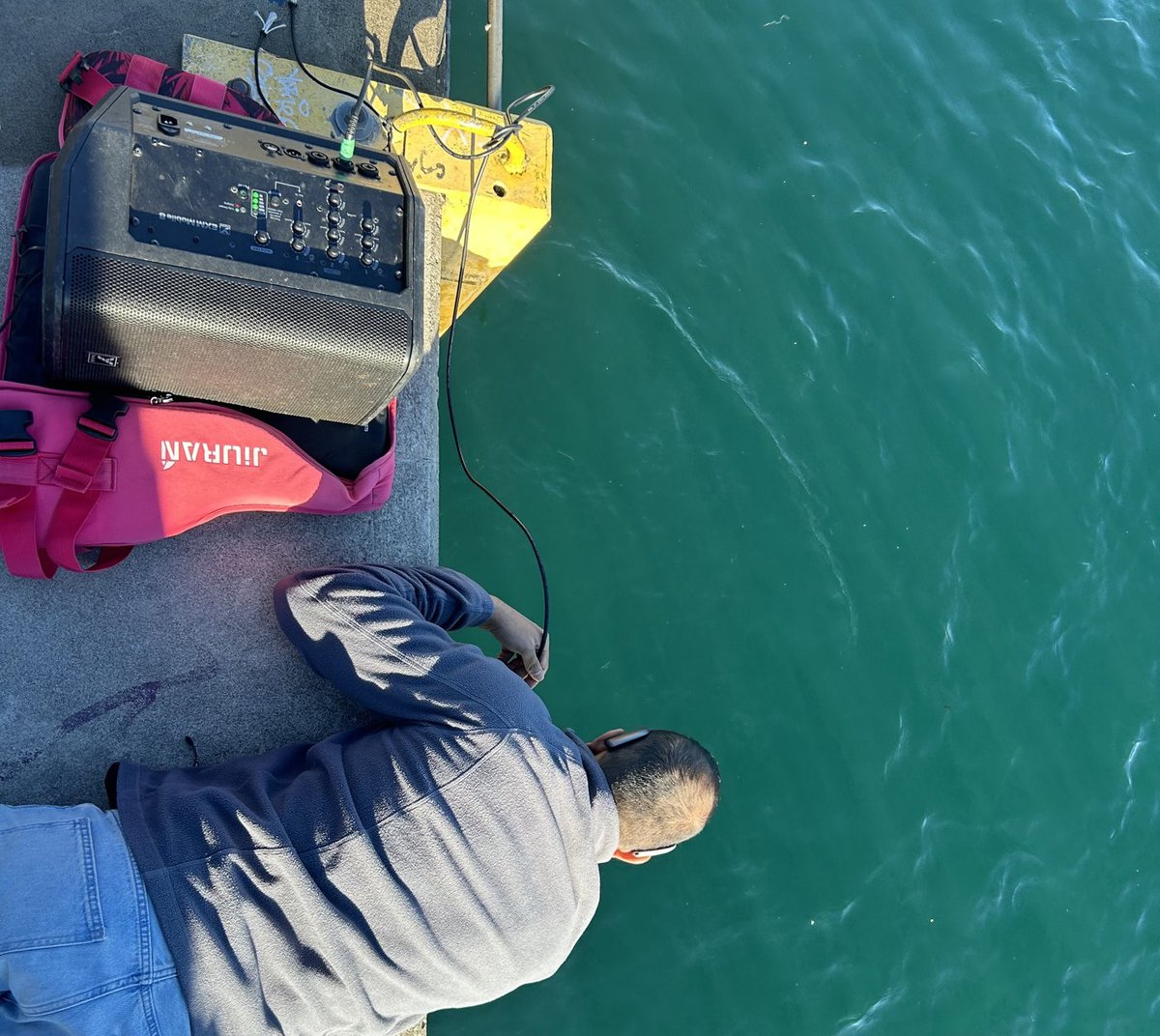
The eye as a camera reads a picture from the visual cortex. The ear as an XPhone asks the same of hearing, with X the state of matter the sound travels in: through air the ear is a microphone, through water a hydrophone, the medium of the hydraulophone, and through a solid a geophone. We report what a consumer headband (Muse S, four dry electrodes, phone app) recorded in each. Air: a spoken passage played 24 times; a linear decoder read its loudness envelope back from the EEG at r = 0.36 (shuffled null 95th percentile 0.10, p < 0.001; control at chance), and an EEG-conditioned music generator built by a co-worker produced clips whose rhythm followed the heard one more closely than with shuffled EEG in 6 of 6 examples, although its semantic score was not yet significant. A steady-state test of a 40 Hz-modulated tone gave no response above a floor of 0.04 µV. Water: six minutes lying at the edge of a dock beside a hydraulophone, the head out of the water, gave clean EEG and a textbook optical pulse but no trace of the music, whose notes lie above the headband's 128 Hz Nyquist limit. Seven people at once then listened through a hydrophone to swimmers jumping into the lake, a kick and a stick striking the water, each wearing a headband recorded by one phone; their forehead EEG and head motion showed no moment shared beyond chance. Solid: four minutes of tapping and scratching a table, the head not touching it, moved the head by 2.8 to 5.6 mg on the headband's accelerometer through the arms and body, yet the EEG neither followed that motion (coherence at chance) nor showed a reliable tap-locked response. The ear is a microphone on a consumer headband; as a hydrophone and a geophone it needs a tagged stimulus, and we give the protocol.
Authors
Alexander Vicol, Steve Mann
Links
- Paper submitted to IEEE ICCE 2027 (Las Vegas, January 2027). A link will appear here once it is published.
- Related project: Eye as a Camera
- Related project: Mind over Music
- Related project: Boardmusic